
March 20, 2015
Rep. Haddad and State Senator Mae Flexer (D-Killingly) voted with their Democratic and Republican colleagues in the Higher Education Committee in unanimous support of An Act Concerning Sexual Assault Forensic Examiners at Institutions of Higher Education.
The bill would extend Connecticut's Sexual Assault Forensic Examiner (SAFE) Program from its present location at six acute care hospitals across the state, to college-operated health facilities such as UConn's Hilda May Williams Student Health Services Medical Center on the Storrs campus.
The move would allow trained, SAFE nurses to provide more immediate care and treatment to a victim of a college sexual assault, thereby negating the need for a student sexual assault victim to travel some distance to a potentially unfamiliar health care facility to undergo an invasive examination after a sexual assault.
"It is critically important that after trauma, students should feel supported and cared for at their own university. Not ensuring this will only contribute to the shocking and unfortunate number of rapes that go unreported," said Rep. Haddad, whose House district includes UConn. "We need to start tearing down whatever roadblocks lay in the way of victims reporting a sexual assault and receiving medical treatment. Many college students are away from home for the very first time and are adjusting to an entirely new support network. Asking victims to leave this new support network to receive medical care is the wrong approach to keeping our students as safe, healthy and emotionally supported as possible."
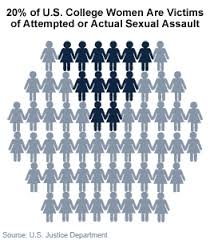
SAFE nurses (Sexual Assault Forensic Examiners) receive 40 hours of classroom training and conduct 15 pelvic exams to insure that they have achieved a level of competency in the collection of forensic evidence (the exams can last up to four hours.) SAFE nurses also have specialized knowledge of legal issues such as chain of custody and courtroom testimony, and are trained in sexually transmitted infection (STI) testing and medications.
Last year (July 2013 to July 2014), SAFE nurses responded to 173 sexual assault cases in the six acute care hospitals.
College students, university officials and women's health advocates all testified in support of RB 966 when it received its public hearing on March 12, noting that over 92% of students who received SAFE services strongly agreed that their privacy and wishes were respected and that they received valuable information. You can read the public hearing testimony here.
If passed by members of the House and Senate and signed into law by Governor Malloy, the new law would take effect July 1.